Est. 1865$$ · Mid-range
Stetson
United States
A reliable, well-made cap from a name everyone trusts
Eight-pieceTweedWool
Read our maker notes →Visit site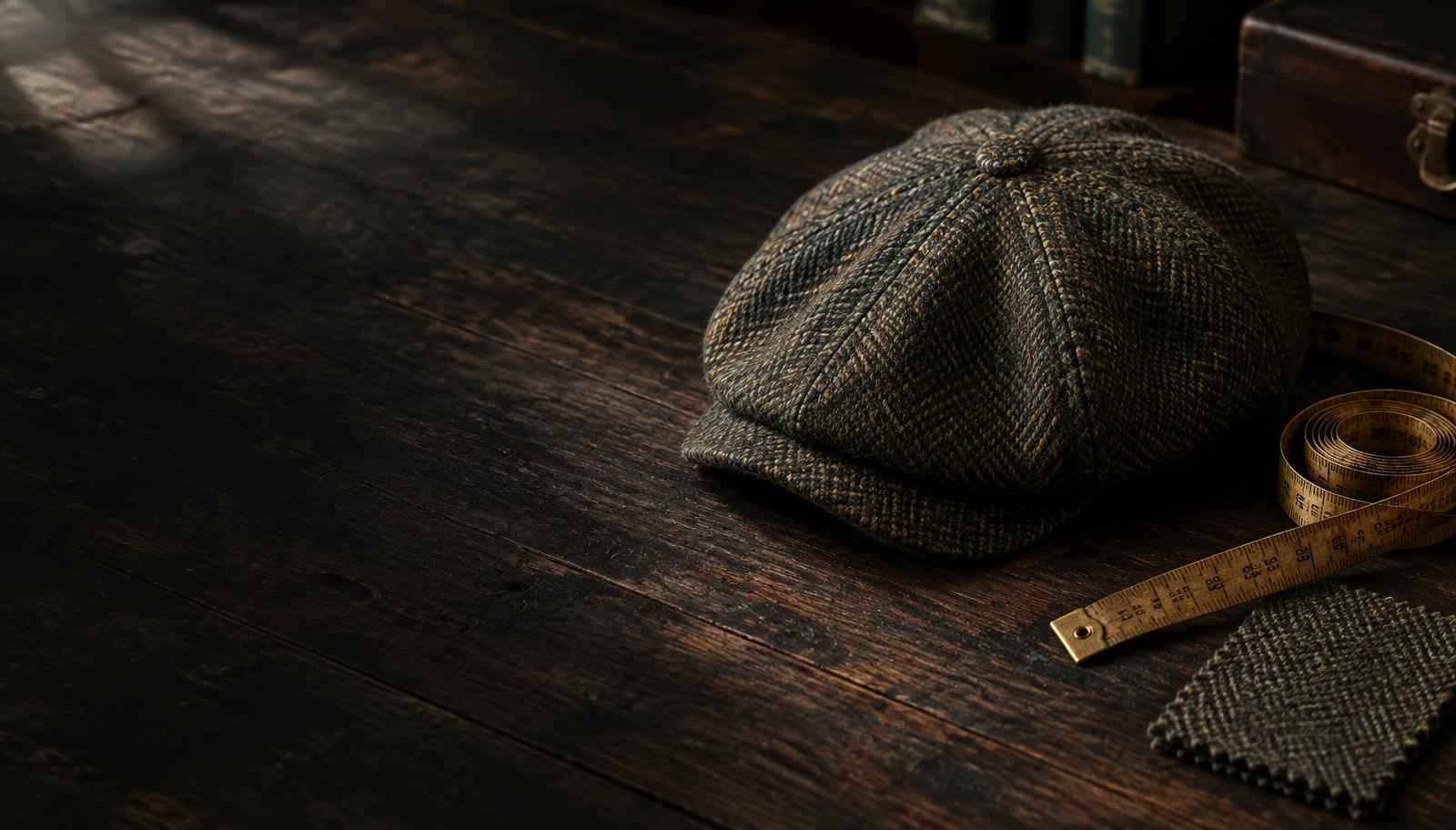
An independent guide to the cap makers worth knowing
Explore 19 makers, understand the cuts, and choose a cap that actually fits your head and your life.
Explore the makers ↓19 makers across the directory
How we choose makers →United States
A reliable, well-made cap from a name everyone trusts

United Kingdom
A heirloom-grade tweed cap from the original London hatter

United States
Going full Shelby without ordering from the UK

United States
A modern, collectible scally with a sports or city theme

United Kingdom
A handmade British cap in cloth you won't see elsewhere
19 results
Ireland
A real Donegal tweed cap with the woven label to prove it
United States
A reliable, well-made cap from a name everyone trusts
United Kingdom
A heirloom-grade tweed cap from the original London hatter

United Kingdom
A modern, casual newsboy or 504 in unusual colors
United States
Going full Shelby without ordering from the UK
United States
A modern, collectible scally with a sports or city theme

United States
Irish-themed caps and accessories alongside the cap itself

United States
A scally or flat cap that doesn't look like everyone else's

Poland
A genuinely handmade cap with European tailoring at fair prices

United Kingdom
Tartan and Highland-tweed caps with Scottish provenance

Ireland
An Irish tweed cap from a wide selection at fair prices

Italy
An Italian take on the flat cap, often in lighter weights
United Kingdom
A clean, contemporary British eight-piece without the heritage markup
United Kingdom
Browsing many Scottish/UK tweed cap brands in one place

Italy
A small, well-edited Italian flat-cap selection

United States
A small-batch American cap with a specific vintage feel

United States
A custom or made-to-order eight-panel cap from a US workshop

United Kingdom
A traditional British scally with a clean modern fit
United Kingdom
A handmade British cap in cloth you won't see elsewhere
The buyer’s handbook
A cap can look right in a photograph and feel wrong on your head. Start with the shape, then choose cloth for the weather and measure before ordering.
An eight-piece crown has wedge-shaped panels meeting at the top, creating a rounder, fuller silhouette; a newsboy often has a top button. An ivy or driver cap sits closer to the head with less volume. A duckbill tapers tightly toward the peak, while “flat cap” is often used as the umbrella term—check the side profile rather than the product name alone.
Compare the shapes →Wrap a soft tape around the widest part of your head, roughly a finger above your eyebrows and just above your ears. Keep it level and comfortably snug; take the measurement twice. Compare the number in centimetres with the individual maker’s chart—letter sizes are not universal. If you fall between sizes, check the maker’s exchange policy rather than guessing.
See the measuring diagram →Wool tweed is a sound starting point for cool, changeable days: the weave gives the cap texture and body. Linen and lighter cotton tend to breathe better in warm weather. Fabric weight, lining and weave matter as much as the fibre name, so check each product’s materials instead of assuming every tweed or wool cap feels the same.
Read the fabric guides →After rain, let a damp cap air-dry at room temperature with its shape supported; avoid a radiator or tumble dryer, which can distort the crown. Brush away surface dust gently and spot-clean according to the maker’s care label. If the cap has a structured peak or delicate lining, ask the maker before washing it.
More care advice →Four practical guides covering the things people get wrong most often — sizing, cloth choice, judging construction, and keeping a tweed cap alive through a wet winter.
A simple, accurate way to measure your head for a scally, newsboy, ivy or flat cap — with a size chart that maps cm and inches to S/M/L/XL.
Five rules for wearing a scally, newsboy or flat cap with modern clothes — fit, angle, fabric pairings, and what not to wear it with.
A practical guide to Donegal tweed, Harris Tweed, herringbone, melton, waxed cotton, linen, cord and leather flat caps — how each wears and when to buy it.
What separates a well-made flat cap from a cheap one: panel construction, lining, seams, brim stiffening, blocking, hardware, and how it holds its shape.
How to brush, dry, store and reshape a tweed cap, deal with sweatband staining and moths, and know when it actually needs dry cleaning.
How the flat cap moved from a 1571 English law through working-class Britain and Ireland, Liverpool slang, Boston Irish communities, and Peaky Blinders.